Key Takeaways
- Wellness practitioner office space in Bergen County, NJ fits a single suite of 180 to 240 square feet for most coaching, counseling, and consultation-based work.
- New Jersey protects specific professional titles by statute. Using “nutritionist” or “dietitian” without a license is prohibited, even if your training is legitimate.
- Unlicensed practitioners can rent professional space, but what you put on the door and the website is governed by law rather than preference.
Wellness Practitioner Office Space in Bergen County, NJ: Who This Covers
Wellness practitioner office space in Bergen County, NJ serves a broad group that shares almost nothing except room requirements: health and wellness coaches, holistic nutrition practitioners, reiki and energy workers, hypnotherapists, breathwork and somatic practitioners, meditation teachers, herbalists, and functional health consultants.
Some hold state licenses. Many don’t. Both can rent professional space, and both need the same thing from a room — privacy, quiet, a professional address, and enough space for one or two people seated or a table.
What separates them is what they’re permitted to call themselves and what they’re permitted to claim.
What the Room Needs
| Practice | Working size |
| Coaching, consultation, talk-based work | 180–240 sq ft |
| Table-based bodywork or energy work | 240–350 sq ft |
| Group sessions, movement, or breathwork | 325–470 sq ft |
| Two practitioners sharing days | Single suite, split schedule |
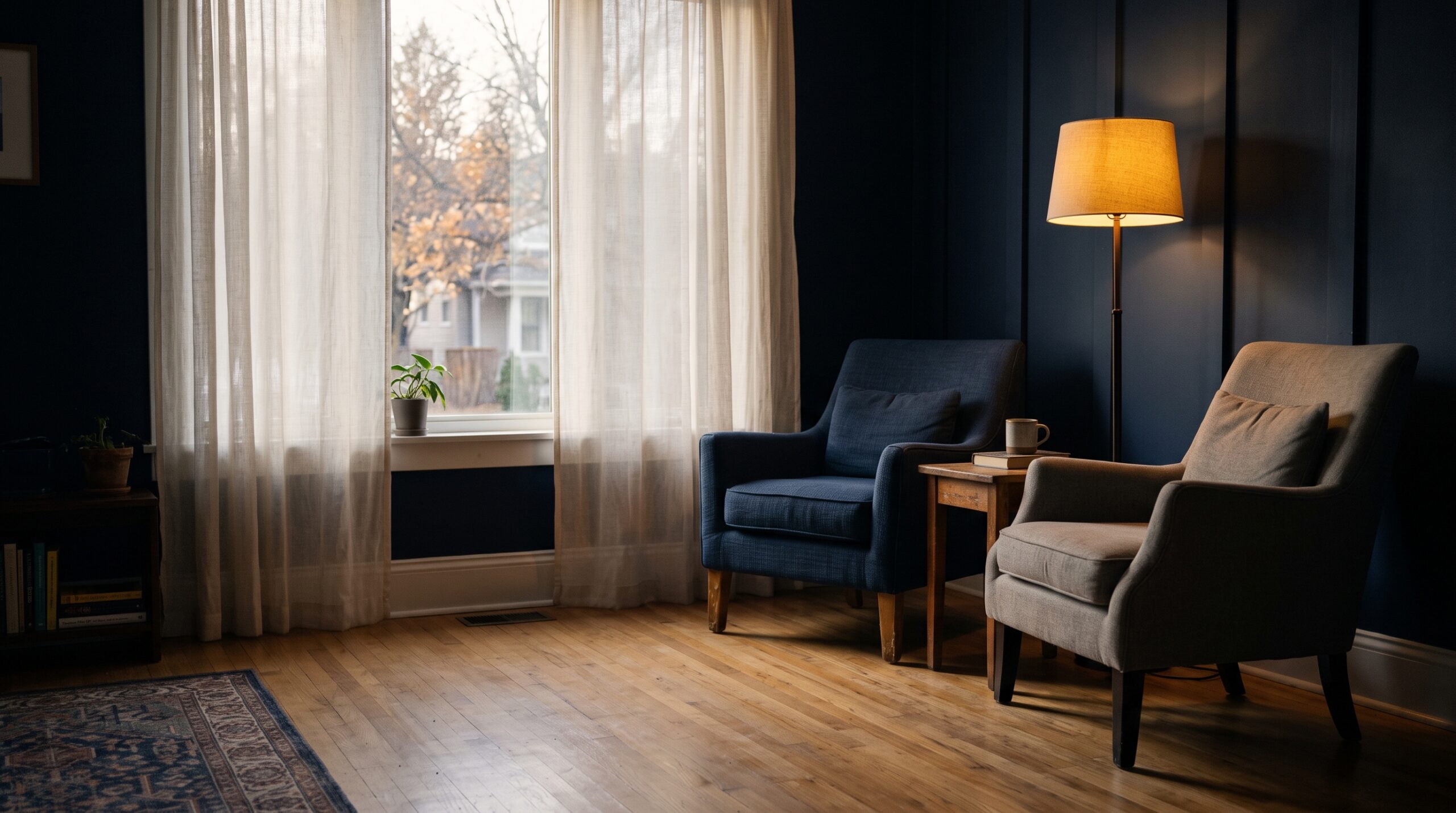
Most wellness work is conversation. Two comfortable chairs, a side table, a small desk, and storage fit well inside 200 square feet. Table-based work needs clearance on both sides, which pushes toward the larger end.
Suites at SADA Med Suites run 180 to 240 square feet as singles and 325 to 470 as doubles. Our post on how many treatment rooms you need works the sizing arithmetic backward from revenue and session length.
What Matters More Than Size
- Sound privacy, since clients discuss personal material and some practices involve vocalization
- Climate control per suite, particularly for anything where clients lie still
- Controllable lighting, since overhead fluorescent works against nearly every modality here
- A professional address that reads as a real practice rather than a spare room
- Access hours, since much of this work happens evenings and weekends
Our checklist of ten things to verify before renting a suite covers the full tour sequence.
Protected Titles: The Part Practitioners Get Wrong
New Jersey restricts specific professional titles by statute, and the restrictions apply to signage, websites, business cards, and intake forms — everything a new practice prints first.
The Nutrition Titles
Under N.J.S.A. 45:16B-13, enacted as part of the Dietitian/Nutritionist Licensing Act, no person, business entity, or its employees, agents, or representatives may use the following titles unless licensed to practice dietetics and nutrition in New Jersey:
- dietitian nutritionist
- nutritionist
- dietitian
- dietician
- nutrition counselor
- nutrition specialist
- LDN, LD, LN
- nutritional therapy practitioner
- nutritional therapy consultant
- certified nutrition therapy practitioner
- master nutrition therapist
- licensed dietitian nutritionist
- licensed nutritionist
Or any other title, designation, words, letters, abbreviations, or insignia indicating someone as a provider of medical nutrition therapy or as licensed under the Act.
Two carve-outs exist. A dietitian registered by the Commission on Dietetic Registration may use “registered dietitian” or “registered dietitian nutritionist” and the designations RD or RDN. A nutritionist certified by the Board for Certification of Nutrition Specialists may use “Certified Nutrition Specialist” and the designation CNS. Lawfully earned federally trademarked titles may also be used.
What Unlicensed Practitioners Can Still Do
The statute carries a broad exemption. Per the enacted law, nothing in the Act prohibits an individual from providing nutrition information, guidance, encouragement, individualized nutrition recommendations, behavior change management, coaching, assessments, weight control services, or other nutrition care services that do not constitute medical nutrition therapy — provided the individual does not hold themselves out as a licensed dietitian nutritionist, a licensed nutritionist, or a provider of medical nutrition therapy.
The practical reading: the work is permitted, the titles are not. A holistic nutrition practitioner can coach clients on food and behavior. They cannot call themselves a nutritionist in New Jersey.
Apply the Same Caution Elsewhere
Nutrition is the clearest example because the statute spells it out. Other titles carry their own restrictions — counselor designations, massage and bodywork titles, and anything implying licensure or state certification.
Before you order signage, confirm what you may call yourself and what you may claim. Our post on which professionals can rent a medical suite covers how boards differ across the professions renting small clinical space, and licensed professions like acupuncture and massage have their own requirements covered in our acupuncture and massage therapy guides.
Scope: What You Say Matters as Much as What You Do
Unlicensed practice in New Jersey is permitted within limits, and the limits concern claims.
Lines Not to Cross
- No diagnosing. Naming a condition a client has is outside scope.
- No treating. Offering services as treatment for a named condition is outside scope.
- No curing. Claims of cure are a problem in every jurisdiction.
- No implying licensure. Nothing in your materials should suggest state licensure or certification you don’t hold.
- No medical advice about medications, including suggesting a client stop or change one.
Language That Keeps You Inside It
Write about what you do rather than what it fixes. Support, guidance, coaching, education, and wellbeing describe services. Treatment, cure, heal, and diagnose describe clinical acts.
Practical habits worth building from day one:
- A written scope statement in your intake paperwork
- A clear recommendation that clients consult a licensed provider for medical concerns
- Testimonials that describe experience rather than outcomes for conditions
- Website copy reviewed for claim language before it goes live
An hour with an attorney familiar with New Jersey professional regulation is worth more at this stage than at any later point.
Will a Landlord Rent to an Unlicensed Practitioner?
A question most wellness practitioners worry about and few ask directly.
What Landlords Care About
Commercial landlords are generally concerned with four things: can you pay, will you be a responsible tenant, does the building’s certificate of occupancy permit your use, and does your business create risk for the property.
Professional licensure matters to a landlord only where the building’s permitted use or their insurance requires it. Many buildings house coaches, consultants, and other unlicensed professionals alongside licensed providers without difficulty.
Ask Directly
- Does the building accept non-licensed professional tenants?
- Does the certificate of occupancy support my use?
- Will the lease’s permitted use language cover what I do?
- What insurance will you require me to carry?
Get the permitted use language right in the lease. Vague wording creates arguments later, and specific wording protects you if your services evolve.
Insurance
Professional liability coverage written for your modality is your responsibility regardless of licensure. A landlord’s policy covers the building, not your practice, and most leases specify minimum coverage amounts.
Coverage is available for coaching, energy work, and most wellness modalities through specialty carriers. Bind it before you sign, since you’ll need the certificate.
Setting Up the Practice
The business side runs the same whether or not you hold a license.
- Confirm titles and scope for your specific modality
- Form the business entity and obtain an EIN
- Bind professional liability coverage
- Secure a professional address before entity formation, so your home address stays off public filings
- Sign the lease, with permitted use language that covers your work
- Build intake paperwork including a scope statement
- Set up scheduling and payment
On the Address
Entity filings in New Jersey are public records, and so is the address on them. Practitioners working from home who register a business publish that address where anyone can find it.
A professional business address solves it. SADA’s virtual membership provides one with mail and package receiving for practitioners not yet ready for a suite, and our post on keeping your home address off public records covers the full exposure picture.
Client Records
Session notes, intake forms, and health histories need secure storage with access limited to you, whether or not HIPAA applies to your practice. Ask the landlord who holds credentials to your suite, whether cleaning staff enter and when, and whether you can install your own locks.
Our HIPAA-compliant office setup checklist covers the physical safeguards, most of which are sound practice regardless of your regulatory status.
Cost
Wellness practices are nearly all direct-pay, which removes credentialing from the timeline entirely. A practitioner with a license, an entity, insurance, and a furnished room can see a first client within days of signing.
Our cost breakdown for opening in New Jersey covers what setup runs, and our step-by-step guide to starting a practice covers the sequence.
Starting Part-Time
Most wellness practices begin alongside other work, and the model fits the schedule.
Evening and weekend demand is strong, since clients book around jobs. Confirm building access hours in writing before signing — a building that locks at six eliminates the hours this work depends on. Secure 24/7 access with individual credentials removes the constraint.
Consistency matters more than volume. Three evenings every week builds a client base faster than five evenings some weeks and none in others.
Our post on part-time medical office space covers how practitioners structure the early phase, including sharing a suite with someone on opposite days.
Where in Bergen County
Wellness clients come from nearby and come back, which shapes what matters.
What Supports the Practice
- Household income supporting direct payment, since almost nothing here is reimbursed
- Residential density within a short drive
- Parking that works, because friction compounds across repeat visits
- Neighboring providers — acupuncturists, massage therapists, chiropractors, and mental health clinicians all refer
- Visibility, since wellness is discovered through local search and word of mouth
Downtown Englewood offers municipal parking, a walkable business district, and household income above $102,000. Our town-by-town guide to Bergen County covers the markets, and our post on medical office space for rent in Englewood covers what’s available there.
Getting Found
Create a Google Business Profile the week you sign your lease, since local rankings take months to mature. Google requires businesses showing an address to operate from it and maintain permanent signage with the business name — confirm your suite door nameplate and building directory listing before verifying.
Check your business name and category against protected-title rules before you create the listing. A profile named with a restricted title is a problem that compounds, since the name propagates to directories that copy from Google.
Our guide to setting up a Google Business Profile at a shared address covers verification in a multi-tenant building, and our provider directory shows the kind of practitioner mix that produces cross-referral.
Frequently Asked Questions
Can an unlicensed wellness practitioner rent professional office space?
Yes. Commercial landlords are generally concerned with payment, tenancy, permitted use, and insurance rather than professional licensure. Confirm the certificate of occupancy supports your use and that the lease’s permitted use language covers your work.
Can I call myself a nutritionist in New Jersey?
Not without a license. N.J.S.A. 45:16B-13 restricts “nutritionist,” “dietitian,” “nutrition counselor,” “nutrition specialist,” and a list of related titles to licensed practitioners. Registered dietitians may use RD or RDN, and Certified Nutrition Specialists may use CNS.
What can an unlicensed nutrition practitioner do in New Jersey?
Provide nutrition information, guidance, individualized recommendations, behavior change management, coaching, assessments, and weight control services that do not constitute medical nutrition therapy — provided you do not hold yourself out as licensed or as a provider of medical nutrition therapy.
How much space does a wellness practice need?
Most coaching and consultation work fits 180 to 240 square feet. Table-based bodywork or energy work generally needs 240 to 350. Group or movement work needs 325 to 470 or more.
Do I need professional liability insurance?
Yes. Coverage written for your modality is your responsibility regardless of licensure, and most leases specify minimum amounts. Specialty carriers cover coaching, energy work, and most wellness modalities.
Can I see clients in the evening?
Depends on the building. Confirm access hours in the lease rather than verbally, since evening and weekend availability is where most wellness demand sits. Individually credentialed 24/7 access resolves it.
Should I use my home address for my business?
Entity filings are public records in New Jersey, so a home address on a filing becomes searchable. A professional business address keeps it off public record while you build toward a suite.
How quickly can I open?
Days, with a furnished suite and a direct-pay model. No credentialing, no buildout, no furniture purchase. The practical limit is your entity, insurance, and intake paperwork.
About SADA Med Suites
SADA Med Suites rents private, fully furnished suites to professionals in downtown Englewood, New Jersey, including the wellness practitioners who make up a growing share of the building.
Singles run 180 to 240 square feet and doubles run 325 to 470, with utilities, high-speed internet, cleaning, shared waiting area, kitchen and break room, in-suite sink, private climate control, video intercom entry, secure 24/7 access, on-site staff, and custom door signage included in one monthly payment.
Evening and weekend access comes standard, which is where most wellness practices do their work. The building also puts you alongside acupuncturists, massage therapists, and mental health clinicians — the practitioners most likely to send you clients.
See the space on your schedule. Browse available suites or book a tour. Call (551) 230-7668 — 50 E Palisade Ave, Fl 2, Englewood, NJ 07631.